

Common Acrylic Painting Mistakes and Easy Fixes

Every painter makes mistakes, and acrylic is kind to beginners because it dries quickly and you can paint over almost anything. Knowing the most common acrylic painting mistakes saves you paint, brushes and frustration. This Haanz Art Guide explains ten problems we often hear about from students and hobby painters, why they happen and the easy fix for each one.
10 common acrylic painting mistakes and how to fix them
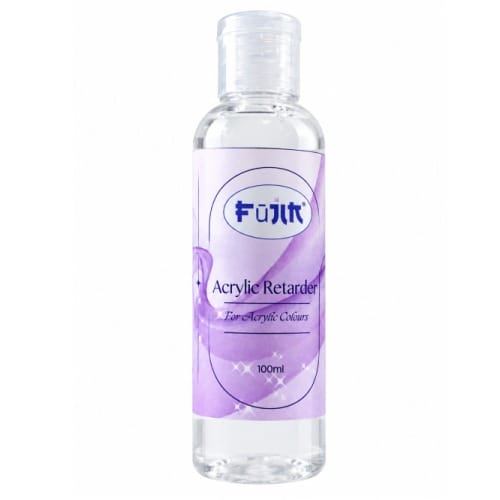
- Paint drying on the palette. Acrylic dries fast, especially under a fan or air conditioner. Fix: squeeze out small amounts, mist the paint lightly with water, or use a wet palette. A few drops of retarder also slow drying.
- Muddy, dull colours. This happens when you mix too many colours together or paint into a wet layer of a different colour. Fix: mix with two colours plus white where you can, wait for layers to dry and clean your brush between colours.
- Streaky, patchy coverage. Usually caused by too much water or very thin paint. Fix: use less water and build two or three thin coats, letting each dry. Lighter colours often need an extra coat.
- Colours drying darker than expected. Many acrylics look slightly darker once dry. Fix: test a mix on scrap paper and let it dry before painting a big area.
- Ruined brushes. Leaving paint to dry in the bristles, or leaving brushes standing in water, damages them quickly. Fix: rinse often while you paint and wash with soap and water straight after. Store brushes flat or bristles up.
- Working on wet paint. Adding details before the layer below is dry lifts and smears the colour. Fix: wait until the surface is dry to the touch. On humid days this can take longer.
- No light and dark. A painting with only mid colours looks flat. Fix: add real darks in shadows and clear lights where the light falls. Squint at your painting to check.
- Using a tiny brush for everything. Small brushes make large areas look scratchy. Fix: use the biggest brush you can for each stage, and save small brushes for the final details.
- Hard lines in a sky or background. Acrylic sets before you finish blending. Fix: work in small areas, keep the edges damp, and blend while wet. Retarder helps here too.
- Dust and fluff in the varnish. Fix: varnish only when the painting is fully dry, in a clean, still room, with a clean wide brush.
Supplies that prevent many mistakes
- FUJIN Acrylic Retarder 100ml: slows drying so you have more time to blend. Mix in small amounts as directed on the bottle.
- Mont Marte Acrylic 75ml Titanium White: you use far more white than any other colour, so a larger tube saves running out mid-painting.
- Bomeijia Brush Set 12Pcs: a range of sizes, so you are not forced to use one small brush for everything.
- Brush Bucket – Round: a brush washer with holders and a lid, to keep brushes clean and off their tips.
- Mixing Tray With Thumb Hole: plenty of space to mix without colours running together.
- FUJIN Acrylic Varnish 100ml: a brush-on protective top coat for finished paintings.
- Gesso Brush 4 Pieces Pack: wide flat brushes for even coats of varnish or background.
See all brushes in Brushes For Watercolours and Acrylics and mediums in Oil and Mediums. Prices change, so see each product page for today’s price.
How to rescue a painting that has gone wrong
Do not throw it away. Acrylic is opaque, so you can cover most problems.
- Let it dry completely. Trying to fix wet paint usually makes it worse.
- Find the real problem. Step back. Is it the colour, the shape or the darks and lights? Fix one thing at a time.
- Paint over the area. For a small mistake, paint over it with the background colour and repaint it once dry.
- Start again on the same canvas. For a bigger problem, cover the whole canvas with a coat of white or a background colour and treat it as a fresh start. Very thick, lumpy paint can be smoothed with fine sandpaper first.
Good habits for every painting session
- Keep two water jars: one for rinsing, one clean for mixing.
- Wipe your brush on a cloth before picking up a new colour.
- Close tube caps straight away. In warm weather paint dries in the neck of the tube.
- Take a photo of your painting halfway through. Seeing it small on a phone shows problems quickly.
To stop paint drying out, read How to Keep Acrylic Paint Wet on Your Palette. For brush care, see How to Clean Paint Brushes, and for the final step, How to Varnish an Acrylic Painting.
Frequently asked questions
Can I paint over dry acrylic paint?
Yes. Once acrylic is dry, you can paint over it with more acrylic. This is the easiest way to fix most mistakes.
How do I get acrylic paint out of a brush that has dried?
Fresh acrylic washes out with soap and water. Once it has dried hard in the bristles, it is very difficult to remove, so rinse brushes often while you paint.
Do you deliver islandwide?
Yes. We deliver across Sri Lanka in 2–5 working days, with cash on delivery, card or bank transfer. You can also visit our shops in Boralesgamuwa and Horana, open every day from 9 AM to 6 PM.
Not sure what to choose? Call / WhatsApp the Haanz team on 0711 515 515 and we’ll help you find the right brushes, mediums and paints to avoid these problems.
More Haanz Art Guides
 Art Studio Accessories: Aprons, Brush Pouches and Drawing TubesRead the guide →
 Clay Rollers, Cutters, Extruders and Shaping ToolsRead the guide →
 Drawing Pencil Grades Explained: H, HB and B Pencils for SketchingRead the guide →
 Charcoal Powder and Willow Charcoal: Big, Soft Tonal DrawingsRead the guide →
