

Polymer Clay Colour Mixing: Make Your Own Shades

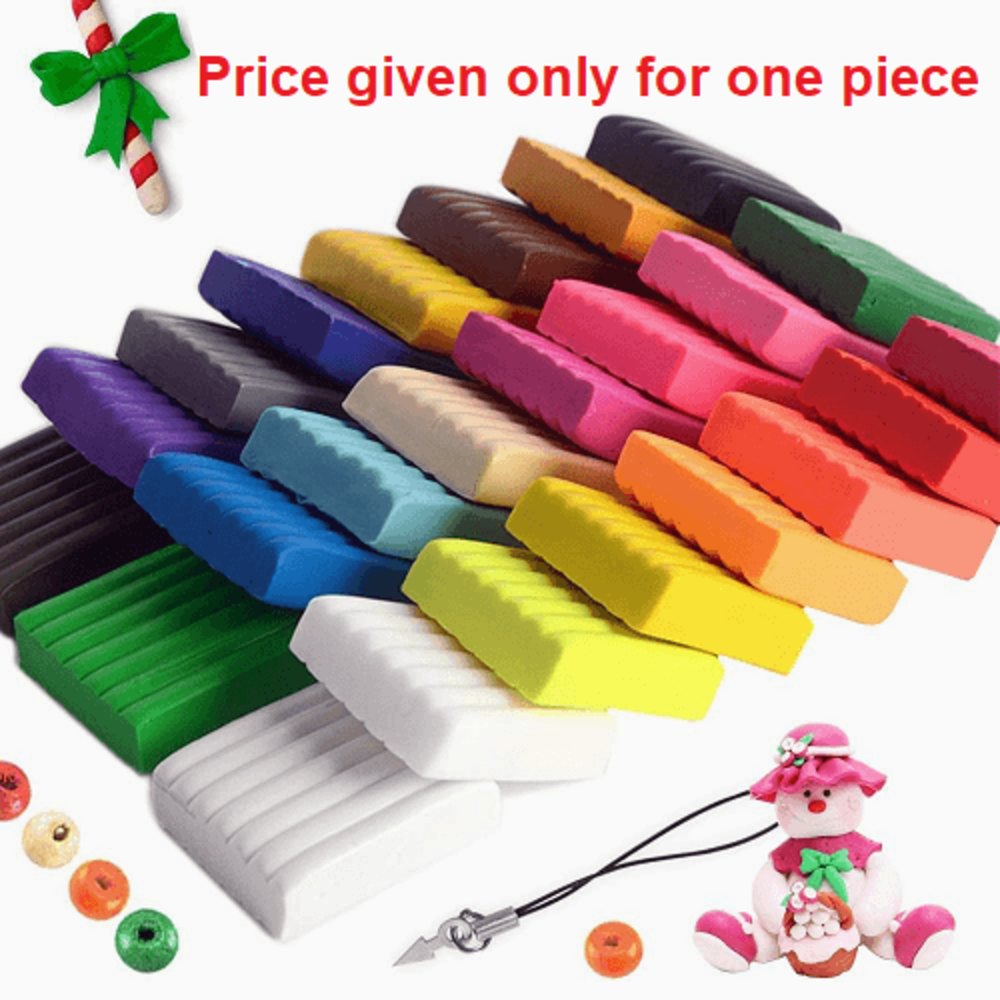
Polymer clay colour mixing lets you turn a few blocks of clay into dozens of shades. Instead of buying every colour, you can blend your own pastels, skin tones, earthy browns and soft gradients. This Haanz Art Guide explains how it works, which clay to start with and how to keep your colours clean.
Why mix your own polymer clay colours?
Ready-made colours are handy, but mixed colours make your work look unique. Earring makers, miniature artists and students often need a colour that isn’t in a pack, such as a dusty pink, a sage green or a warm skin tone. Polymer clay stays soft until it is baked, so you can blend colours by hand for as long as you need.
Mixing also saves clay. A small block of white can lighten several colours, and leftover scraps can become marbled beads instead of going in the bin.
The clay we stock for mixing
Our most popular choice is the Oven Bake Polymer Clay 20g (other colours). Each 20g block is soft and easy to condition, hardens permanently when baked in a home oven, and is made to be mixed into new shades. Pick a few strong colours and you can make most of the shades you need.
Keep plenty of Oven Bake Polymer Clay 20g in White on hand. White is the colour you will use most, because it turns any colour into a pastel. For bigger projects there is also a 100g block, and if you want a wide range from the start, the 24 x 10g pack gives you many colours at once.
Prices change, so see each product page for today’s price.
How to mix polymer clay colours
- Condition each colour first. Knead or roll the clay in your hands until it is soft and bends without cracking.
- Start with the lighter colour. Add the darker colour in tiny pieces. A little dark clay changes a lot of light clay, but not the other way round.
- Twist, fold and roll. Twist the two colours together, fold the log in half and roll again. Repeat until there are no streaks.
- Write it down. Note the ratio, for example “4 parts white, 1 part red”. It makes it easy to mix the same colour again for matching earrings.
A smooth surface helps. A wooden roller flattens clay evenly, and a silicone mat stops it sticking to the table.
Easy recipes to try
- Pastels: white plus a small piece of any colour. Start with about 8 parts white to 1 part colour.
- Skin tones: white with a little yellow and red, then a tiny touch of brown or green to soften the pinkness.
- Earthy colours: mix a colour with its opposite on the colour wheel (red with green, blue with orange) to make it softer and browner.
- Marble effect: twist two or three colours together only a few times and stop before they blend. Slice the log to see the pattern.
- Gradient (ombre): make 5 small balls, each with a little more colour than the last, and roll them into a strip.
Our colour mixing guide explains the colour wheel in more detail.
Tools that help
Once your colours are ready, cutters and tools give clean shapes. The Clay Shape Cutter YT12, YT09 and YT04 cut neat, matching shapes for earrings and charms. A metal clay extruder pushes clay through shaped discs to make even strings, ropes and borders, which is a lovely way to show off a mixed colour. You can see all our clay tools in [[C:clay_tools|Clay Tools]].
Tips for clean colours
- Wash and dry your hands before switching from a dark colour to a light one. Wet wipes help.
- Mix light colours before dark ones in each session.
- Keep mixed clay wrapped in plastic or in a closed box so dust and fluff don’t stick to it.
- Bake a small test piece. Some colours look slightly darker after baking.
- Follow the baking instructions on the clay pack for time and temperature.
For a full beginner’s introduction, read Oven-Bake Polymer Clay for Beginners, then try our polymer clay earrings guide.
Frequently asked questions
Can I mix different brands of polymer clay?
Many crafters do, but brands can have different softness and baking needs. Mix a small test piece first and bake it as the pack says.
Why does my mixed clay look streaky?
It needs more twisting and rolling. Keep folding and rolling the log until the colour is even all the way through.
How do I make clay lighter without changing the colour too much?
Add white a little at a time. It lightens the colour into a pastel. For a brighter shade, add a lighter colour from the same family, such as yellow to orange.
Do you deliver islandwide?
Yes. We deliver across Sri Lanka in 2–5 working days, with cash on delivery, card or bank transfer. You can also visit our shops in Boralesgamuwa and Horana, open every day from 9 AM to 6 PM.
Not sure what to choose? WhatsApp the Haanz team on 0711 515 515 and we’ll help you pick clay colours for your project.
More Haanz Art Guides
 Perspective Drawing Basics: One-Point and Two-Point PerspectiveRead the guide →
 Liner, Angular, Stencil and Wide Brushes: Special Brushes ExplainedRead the guide →
 Oil Painting Techniques: Alla Prima, Glazing and LayeringRead the guide →
 Ink Drawing for Beginners: Pens, Dip Pens and TechniquesRead the guide →
