

Fabric Painting for Beginners: Paints, Markers and Sprays

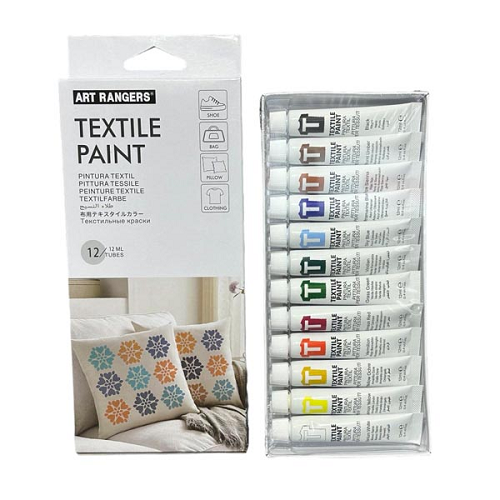
A plain T-shirt, tote bag or cushion cover becomes a gift or school project once you add your own design. This guide to fabric painting for beginners explains the different types of fabric paint and markers, how to prepare the fabric, how to paint a design step by step, and how to make it last through washing.
Types of fabric paint and markers
- Fabric (textile) paint: brush-on paint made to bond with fabric. It is the most flexible choice for designs of any size.
- Fabric markers: pens for drawing directly on fabric, good for lettering, outlines and fine details.
- Fabric spray paint: sprays for soft gradients, splatter effects and crisp designs through a stencil.
- Fabric crayon sticks: crayon-style colours that need no brushes, which makes them easy for children.
Fabric painting supplies we stock
- Art Rangers Textile Paint Set (12 × 12ml): 12 colours made for painting on fabric.
- Art Rangers Fabric Paint (6 × 22ml): six larger bottles, an easy start for clothes and fabric craft.
- Mont Marte Signature Dual Tip Fabric Markers (12 pcs): two tips on each marker, for fine lines and filling larger areas.
- Art Rangers Fabric Spray Paint in a Bright Colour Set and a Lite Colour Set, great with stencils.
- Pentel Arts Fabric Fun crayon sticks in packs of 7 and 15 colours, for kids’ T-shirt designs.
Prices change, so see each product page for today’s price. Browse all fabric paints.
Which fabric should you paint on?
Smooth, tightly woven natural fabrics such as cotton and cotton blends are the easiest to paint. Paint shows up most clearly on light colours; on dark fabric, colours may need two coats. Stretchy or very textured fabrics are harder for beginners.
How to paint on fabric, step by step
- Pre-wash new fabric without fabric softener, and let it dry. This removes finishes that can stop paint bonding.
- Iron the fabric flat.
- Slide a piece of card or a plastic sheet inside the T-shirt or bag so paint doesn’t soak through to the back.
- Sketch your design lightly with a pencil or fabric marker, or tape a stencil in place.
- Paint with a firm brush, working the paint into the weave. Use thin layers rather than one thick coat.
- Add details and outlines once the base colours are dry.
- Let the paint dry completely, then follow the label for heat-setting, usually ironing on the reverse, before the first wash.
Firm, flat brushes are good for filling areas, and small rounds for details. See our paint brush guide.
Washing and care
- Wait as long as the label suggests before the first wash.
- Wash inside out, in cool water, on a gentle cycle.
- Dry in the shade; strong sun can fade colours over time.
- Iron on the reverse side, not directly on the paint.
Tips for good results
- Test the paint on a hidden spot or a spare piece of the same fabric first.
- For crisp edges, use a stencil and dab paint with a sponge or stiff brush, working from the edge inwards.
- Keep a damp cloth nearby to wipe up mistakes while the paint is wet.
- Clean brushes with water straight after use.
Frequently asked questions
Can I use normal acrylic paint on fabric?
It is better to use paint made for fabric. Fabric paint stays more flexible and is made to last through washing. Our acrylic paint guide covers acrylics for canvas and craft.
How do I stop paint going through to the back?
Place card or a plastic sheet inside the garment before you start, and keep it there until the paint is dry.
Are fabric crayon sticks good for children?
Yes. They are crayon-style, need no brushes, and are easy for young children to use with adult help for heat-setting.
Do you deliver islandwide?
Yes. We deliver across Sri Lanka in 2–5 working days, with cash on delivery, card or bank transfer. You can also visit our shops in Boralesgamuwa and Horana, open every day from 9 AM to 6 PM.
Not sure what to choose? WhatsApp the Haanz team on 0711 515 515 and we’ll help you choose the right fabric paints for your project.
More Haanz Art Guides
 Gold Leaf for Beginners: Gilding Crafts, Canvas and ResinRead the guide →
 Die Cutting and Embossing for Beginners: Cards and ScrapbooksRead the guide →
 Framing and Displaying Artwork: Simple Ways to Show Your ArtRead the guide →
 Resin Safety: How to Work with Epoxy and UV Resin SafelyRead the guide →