

Whiteboard Markers and Classroom Boards: A Practical Guide

Teachers, tuition classes, offices and families at home all rely on a good board and reliable pens. This guide explains how to choose whiteboard markers, how to refill them, which board suits young learners, and how to keep your whiteboard clean and free of ghost marks.
Choosing whiteboard markers
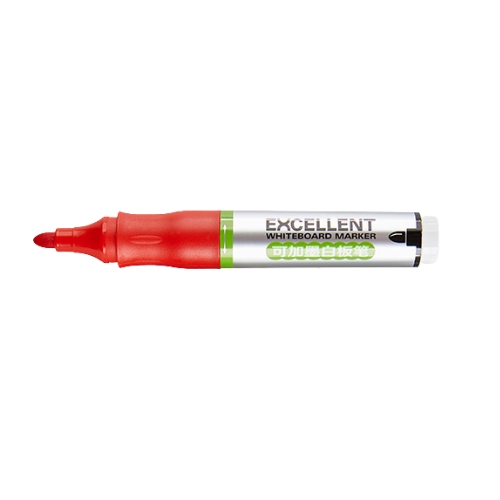
Whiteboard markers use dry-erase ink that wipes off smooth, non-porous boards. Our range includes:
- Leto Whiteboard Marker: in black, blue, green and red, with bold lines that wipe clean. Popular in classrooms and offices.
- Gixin White Board Marker Pen: dry-erase ink with bold lines for daily use.
- XSG White Board Marker Pen: another dependable dry-erase option.
Use colours with a purpose: black or blue for main text, red for corrections or key points, and green for examples or diagrams. Strong dark colours are easiest to read from the back of a room.
Refilling markers
For schools and offices that use many markers, New Brand Whiteboard Marker Ink 50ml refills whiteboard markers and reduces waste. Only refill markers that are designed to be refilled, and follow the instructions on the ink and marker. Match the ink colour to the marker.
Prices change, so see each product page for today’s price.
Whiteboard and chalkboard for children
The Black Board & White Board (CK 133) has a chalkboard on one side and a whiteboard on the other. It is ideal for early learning, home schooling and play, letting children practise letters, numbers and drawing again and again without using paper.
- Use whiteboard markers only on the whiteboard side, and chalk only on the chalkboard side.
- Keep an eraser or soft cloth handy so children can wipe and try again.
- Supervise young children with markers and caps.
Using a whiteboard well
- Write large and leave space; crowded boards are hard to read.
- Divide the board into sections, such as notes, examples and homework.
- Draw diagrams with simple lines and labels.
- Face the class as much as possible and step aside so everyone can see.
- Wipe completed sections to keep the board clear.
Cleaning and preventing ghosting
Ghosting is the faint shadow left by old writing. To prevent it:
- Wipe the board after each lesson or meeting with a dry eraser or soft cloth.
- Do not leave writing on the board for days.
- Clean the whole board regularly with a damp microfibre cloth or a whiteboard cleaner.
- Never use permanent markers. If it happens by mistake, writing over the mark with a whiteboard marker and wiping quickly often lifts it.
- Avoid rough scourers, which scratch the surface.
Making markers last
- Close caps tightly straight after use; markers dry out quickly in the heat.
- Store markers horizontally.
- Keep them out of direct sun and hot cars.
- Replace or refill markers when lines become faint, as faint writing is hard to read.
Whiteboards beyond the classroom
- Weekly family planners and chore charts at home.
- Revision boards for students before exams; see our study stationery guide.
- Shop and office notice boards.
- Practising drawing and lettering without wasting paper.
For permanent and paint markers, see our art markers guide.
Frequently asked questions
Can I use whiteboard markers on glass?
Many people use them on glass and other smooth, non-porous surfaces. Test a small area first.
Why won’t the writing wipe off?
The writing may have been left too long, or a permanent marker was used. Clean with a damp cloth or whiteboard cleaner.
Can I refill any whiteboard marker?
Only markers designed for refilling. Check the marker and follow the ink instructions.
Do you deliver islandwide?
Yes. We deliver across Sri Lanka in 2–5 working days, with cash on delivery, card or bank transfer. You can also visit our shops in Boralesgamuwa and Horana, open every day from 9 AM to 6 PM.
Not sure what to choose? WhatsApp the Haanz team on 0711 515 515 and we’ll help you choose whiteboard markers and boards.
More Haanz Art Guides
 Sakura Pigma Micron Pen Sizes Explained: Which Tip to ChooseRead the guide →
 Christmas Crafts: Easy Handmade Decorations and GiftsRead the guide →
 Handmade Greeting Cards: Easy Card Making Ideas for Any OccasionRead the guide →
 Water Brush Pens: How to Use a Water Brush for WatercolourRead the guide →