

Earth Colours Explained: Yellow Ochre, Sienna and Umber

Some of the most useful colours on any palette are also some of the oldest. Yellow ochre, sienna and umber have been used since cave paintings. This guide explains these earth colours: what each one looks like, how “raw” and “burnt” versions differ, and how painters use them for skin tones, landscapes, underpainting and beautiful greys.
What are earth colours?
Earth colours are warm yellows, reds and browns traditionally made from natural earth pigments coloured by iron oxides. Today many are also made from synthetic iron oxides, which give the same kind of colour. They are usually affordable, mix easily and tone down bright colours naturally.
The main earth colours
- Yellow ochre: a soft, earthy yellow. Great for skin tones, sand, dry grass and warm light.
- Raw sienna: a golden yellow-brown, warmer and more transparent than ochre.
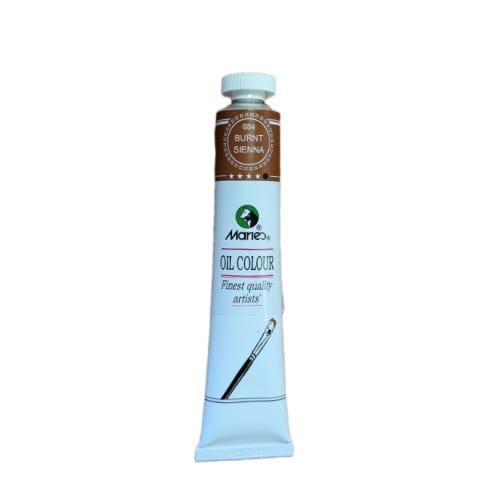
- Burnt sienna: a warm, reddish-brown. “Burnt” means the raw pigment has been heated, which turns it redder.
- Raw umber: a cool, greenish brown, useful for shadows and muted tones.
- Burnt umber: a deep, warm dark brown, popular for drawing in the first sketch of a painting and for dark shadows.
Earth colours we stock
- Acrylic: Mont Marte Acrylic 75ml in Burnt Sienna and Burnt Umber, and Art Ranger Yellow Ochre 75ml. Raw Sienna is one of the colours in the Mont Marte Acrylic 100ml range.
- Oil: Marie’s Oil Colour 50ml in Yellow Ochre, Burnt Sienna and Burnt Umber.
Prices change, so see each product page for today’s price. Browse all acrylic colours and single oil colours.
How painters use earth colours
- Skin tones: white + yellow ochre + a touch of red is a classic starting point. Add burnt sienna or umber for darker skin and shadows.
- Landscapes: mix a little ochre or sienna into bright greens for natural foliage, and use them for paths, soil and tree trunks.
- Underpainting: many painters sketch and block in shadows with thin burnt umber or sienna before adding colour.
- Beautiful greys: burnt sienna + ultramarine blue makes a range of warm and cool greys, more lively than black + white.
- Rich darks: burnt umber + ultramarine gives a deep near-black.
Our colour mixing guide explains why complementary colours make greys and browns.
Exercise: a limited earth palette
Try a painting using only white, yellow ochre, burnt sienna, burnt umber and ultramarine blue. This small “earth palette” is a classic way to learn tone and colour harmony. You can paint convincing portraits, still life and landscapes with it, and because every mix shares the same few colours, the painting naturally looks unified. Start with a simple still life of a cup and fruit, then try a portrait from a photo.
Tips
- Earth colours are strong; add them to other colours a little at a time.
- In oil painting, earth colours such as burnt umber usually dry faster than many other colours, which makes them handy for underpainting. See our oil colours guide.
- Use earth colours to calm down colours that look too bright or artificial.
- Keep at least one yellow earth and one brown on your palette.
Frequently asked questions
What is the difference between burnt sienna and burnt umber?
Burnt sienna is a warm, reddish brown; burnt umber is darker and deeper.
Can I mix brown instead of buying it?
Yes, by mixing complementary colours, but tube earth colours are convenient, consistent and economical.
Is yellow ochre the same as yellow?
No. It is a muted, earthy yellow, softer and browner than lemon or cadmium-type yellows.
Do you deliver islandwide?
Yes. We deliver across Sri Lanka in 2–5 working days, with cash on delivery, card or bank transfer. You can also visit our shops in Boralesgamuwa and Horana, open every day from 9 AM to 6 PM.
Not sure what to choose? WhatsApp the Haanz team on 0711 515 515 and we’ll help you choose earth colours for your palette.
More Haanz Art Guides
 Mandala and Dot Art for Beginners: Draw, Colour and PaintRead the guide →
 Storing Art Supplies in Humid Weather: Keep Paper and Paint FreshRead the guide →
 Acrylic Landscape Painting: Skies, Trees and Water for BeginnersRead the guide →
 Watercolour Pencils: How to Use Them and Which Set to BuyRead the guide →