

Blog
Watercolour Pencils: How to Use Them and Which Set to Buy

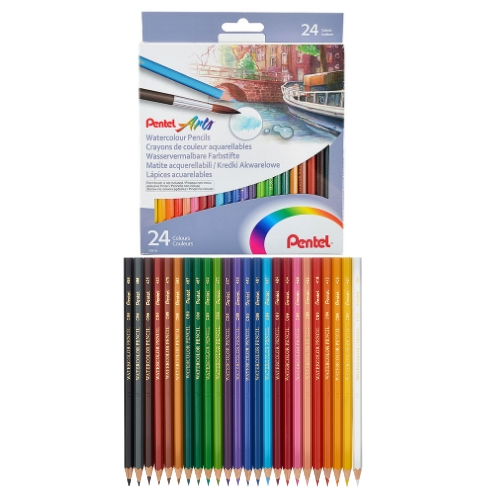
Watercolour pencils give you two tools in one: draw with them like ordinary colour pencils, then touch the colour with a wet brush and it turns into watercolour paint. This guide explains how to use watercolour pencils, which paper works best, the sets we stock, and tips for bright, clean results.
What are watercolour pencils?
Watercolour pencils have water-soluble leads. Used dry, they behave like normal colour pencils, with good control for detail. When you add water, the pigment dissolves and spreads like watercolour paint. That makes them great for students, sketchbooks, travel and anyone who wants the control of a pencil with the softness of paint.
How to use watercolour pencils
- Draw dry, then wet: colour an area lightly, then brush over it with clean water. Light pressure gives soft washes; heavy pressure gives strong colour.
- Wet paper: brush water onto the paper first, then draw into the damp area for soft, bold, blurry lines.
- Wet the pencil tip: dip the tip in water (briefly) and draw for intense, painterly marks.
- Lift from the tip: touch a wet brush to the pencil lead to pick up colour and paint with it like a pan of watercolour.
- Layer: let a wet layer dry completely, then draw on top for crisp details.
Watercolour pencil sets we stock
- Pentel Arts Watercolour Pencils in 12, 24 and 36 colours: water-soluble leads from a trusted Japanese brand, easy to use dry or wet.
- Mont Marte Watercolour Pencils in 12, 24 and a 36-pencil tin: thick, soft leads that release colour easily.
- Nyoni Watercolour Pencils in 48 and 72 colours: a wide range of shades for illustrators and older students.
Prices change, so see each product page for today’s price. Browse all watercolour pencils.
The best paper for watercolour pencils
Once you add water, you need paper that can take it. Use watercolour paper or a watercolour pad, such as SeaKing Watercolour Paper 160gsm for practice, the Bomeijia Watercolour Pad A5 or Art Nation Watercolour Pad A5 for sketching, or a 300gsm pad for heavier washes. Thin drawing paper will buckle and pill. Our watercolour paper guide explains GSM and texture.
Brushes and water
Any soft round brush works. A Sakura water brush is especially handy: it holds water in the handle, so you can blend watercolour pencils anywhere without a water jar. Read our water brush guide to learn how to use one.
Tips for bright, clean colour
- Use light layers of pencil; you can always add more.
- Clean your brush between colours so they don’t turn muddy.
- Leave some areas dry for texture; not every part needs water.
- Test colours on a scrap of the same paper, because they often look brighter once wet.
- Sharpen gently. Soft leads break easily if dropped or sharpened with too much pressure.
Frequently asked questions
Can I use watercolour pencils as normal colour pencils?
Yes. Used dry, they work like ordinary colour pencils.
Do I need watercolour paper for watercolour pencils?
For dry drawing, any drawing paper is fine. If you add water, use watercolour paper so it doesn’t buckle.
Are watercolour pencils good for beginners?
Yes. They are easy to control, tidy and portable, and a good way to learn watercolour effects.
Do you deliver islandwide?
Yes. We deliver across Sri Lanka in 2–5 working days, with cash on delivery, card or bank transfer. You can also visit our shops in Boralesgamuwa and Horana, open every day from 9 AM to 6 PM.
Not sure what to choose? WhatsApp the Haanz team on 0711 515 515 and we’ll help you choose a watercolour pencil set.
More Haanz Art Guides
 UV Resin for Beginners: How to Use It and What You NeedRead the guide →
 Sakura Pigma Micron Pen Sizes Explained: Which Tip to ChooseRead the guide →
 Acrylic Retarder: How to Slow Down Acrylic Paint DryingRead the guide →
 How to Varnish an Acrylic Painting (and Why You Should)Read the guide →