

Blog
Oil Pastels for Beginners: Techniques, Paper and Best Sets


Oil pastels are bright, creamy and easy to use, with no drying time, no water and no brushes. This guide to oil pastels for beginners explains how they work, how many colours you need, which paper to use and the techniques that give the best results, whether for school art or your own sketches.
What are oil pastels?
Oil pastels are sticks of pigment held together with wax and a non-drying oil. Because the oil never fully dries, the colour stays slightly soft on the paper, which makes it easy to blend and layer but also means finished work can smudge.
Oil pastels vs soft pastels
- Oil pastels are creamy and make no dust. They are bold and good for bright, painterly work.
- Soft (chalk) pastels are powdery and blend very smoothly, but they are dusty and smudge easily, so finished work needs fixative and framing behind glass.
How many colours do you need?
- 12 colours: enough for young children and simple work.
- 25 colours: a good choice for school students.
- 36 colours: our most popular set, with enough shades for blending and realistic work.
- 50 colours: for older students and artists who want a wide range.
Pentel Arts oil pastels are our best-sellers for their bright, smooth colour. We also stock Camel 25 shades and Mont Marte 12 colours. Prices change, so see each product page for today’s price. Browse all pastels.
The best paper for oil pastels
Use paper with some texture (tooth) so it can hold several layers. The Mont Marte Pastel Pad has 12 sheets of 180gsm acid-free textured paper. Heavier drawing paper, card and even canvas also work. Very smooth or thin paper fills up quickly and tears when you press hard. See our papers for pastels.
Oil pastel techniques for beginners
- Layering: start with light colours and add darker ones on top, pressing lightly at first.
- Blending: rub two colours together with your finger, a cotton bud or a paper stump. A light colour pressed firmly over a darker one also blends them.
- Sgraffito: lay a dark colour over a light one, then scratch a design through the top layer with a toothpick.
- Scumbling: make small, loose circles of different colours to create texture, such as for trees and bushes.
- Highlights: add white or very light colours last, pressing firmly.
Tips for working in a warm climate
- Oil pastels soften in heat. Keep them in their box, out of the sun and away from hot car seats.
- If they become too soft, put them in a cool room for a while before using them.
- Wipe the tip of a pastel on a tissue to clean off other colours before using it again.
Protecting finished work
Because oil pastel never fully dries, a spray fixative for oil pastels helps reduce smudging. For important pieces, frame behind glass with a mount so the glass doesn’t touch the surface.
Frequently asked questions
Which oil pastels are best for O/L art?
Many students use a 25 or 36 colour Pentel Arts set. Always check your teacher’s list.
Can I blend oil pastels with oil?
Yes, artists sometimes blend with a cotton bud dipped in a little baby oil, which turns the pastel into a paint-like layer. Try it on scrap paper first.
Do oil pastels dry?
No. They stay slightly soft, which is why fixative and framing behind glass help protect finished work.
Do you deliver islandwide?
Yes. We deliver across Sri Lanka in 2–5 working days, with cash on delivery, card or bank transfer. You can also visit our shops in Boralesgamuwa and Horana, open every day from 9 AM to 6 PM.
Not sure what to choose? WhatsApp the Haanz team on 0711 515 515 and we’ll help you choose the right set.
More Haanz Art Guides
 Resin Art for Beginners in Sri Lanka: What You Need and How to StartRead the guide →
 Water Brush Pens: How to Use a Water Brush for WatercolourRead the guide →
 Fabriano Accademia Paper Guide: GSM and Sizes ExplainedRead the guide →
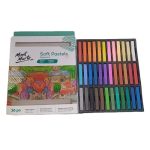 Soft Pastels for Beginners: Paper, Blending and FixingRead the guide →